Why Sustainability is Shaping the Future of Aluminum Foundry Operations
Exploring the Art of Metal Casting: Techniques and Applications in Modern Foundries
Metal casting is a time-honored craft that integrates virtuosity with engineering precision. From ancient strategies to modern innovations, this procedure has actually developed substantially. Various approaches, such as sand casting and lost-wax casting, showcase the adaptability of the medium. Meanwhile, technologies like 3D printing are improving how foundries run. As the lines in between performance and virtuosity blur, one need to take into consideration exactly how these developments impact both conventional methods and modern applications. What lies in advance in this developing landscape?
The Basics of Metal Casting
Metal casting, a pivotal procedure in manufacturing, involves putting liquified metal into a mold to accomplish a preferred form. This technique functions as a foundation in the manufacturing of complex metal elements throughout various sectors. Crucial element of metal casting consist of the selection of products, which can range from aluminum to steel, each picked for its particular homes and application suitability. The procedure starts with mold production, which can be made from sand, metal, or porcelains, depending upon the casting approach utilized. The liquified steel is then thoroughly poured right into the mold, where it cools and strengthens. Essential variables such as temperature level control, cooling down price, and mold style greatly impact the last product's top quality and characteristics. In addition, understanding the chemical and physical homes of the metal aids in optimizing casting efficiency, ultimately boosting the performance of the production process and making certain top quality result customized to specific demands.
Traditional Casting Methods
Standard casting methods encompass a variety of approaches that have stood the test of time, demonstrating their efficiency in creating detailed metal elements. One prominent method is sand casting, which utilizes a mix of sand and a bonding agent to produce molds. The flexibility of sand casting enables the production of diverse shapes, making it appropriate for both small and large production. An additional notable method is investment casting, often utilized for complex and exact geometries. This approach involves producing a wax pattern that is coated in a ceramic covering, which is then heated up to remove the wax, leaving a tooth cavity for liquified metal. Additionally, pass away casting is used for high-volume manufacturing, where molten steel is infused right into multiple-use metal mold and mildews. Each of these traditional methods continues to be appropriate, showcasing the craftsmanship and ability inherent in the art of steel casting, while satisfying the demands of numerous industries.
Modern Innovations in Metal Casting
As sectors develop, developments in metal casting are reshaping manufacturing processes and improving efficiency. Advanced innovations such as 3D printing and computer-aided style (CAD) are changing mold and mildew production, enabling detailed layouts that were previously unattainable. These methods help with quick prototyping, decreasing preparations and promoting creativity in item advancement.
In addition, the assimilation of automation and robotics in shops is simplifying procedures, decreasing human error, and boosting safety. Smart sensing units and real-time surveillance systems make it possible for accurate control of temperature and material residential or commercial properties, making certain greater top quality results.
In addition, lasting practices are arising, with using energy-efficient heaters and recycled products, reducing environmental effect. The fostering of composite materials and sophisticated alloys is likewise expanding the opportunities of metal casting, resulting in stronger and lighter parts. On the whole, these modern-day advancements are transforming steel casting right into a more efficient, precise, and environmentally liable market.
Applications Across Numerous Industries
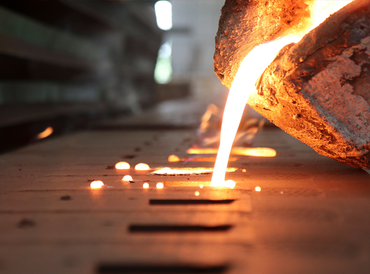
While diverse sectors progressively count on metal casting, the technique's adaptability plays an essential role in meeting particular application demands. In the auto sector, metal casting is important for generating engine components, transmission housings, and various other complex components that need accuracy and sturdiness. The aerospace sector advantages from lightweight casted parts, ensuring both efficiency and gas performance. Furthermore, the building sector utilizes metal casting for architectural components, such as beams and sustains, boosting the integrity of structures and bridges.
The energy sector employs steel casting for wind turbine blades and other considerable machinery that must withstand severe conditions. Medical gadgets likewise see applications of metal casting, especially in medical tools and prosthetics, where precision is essential - Metal Casting. Overall, the flexibility and reliability of metal casting make it vital across numerous fields, contributing to the advancement of technology and framework in contemporary culture
The Artistic Side of Metal Casting
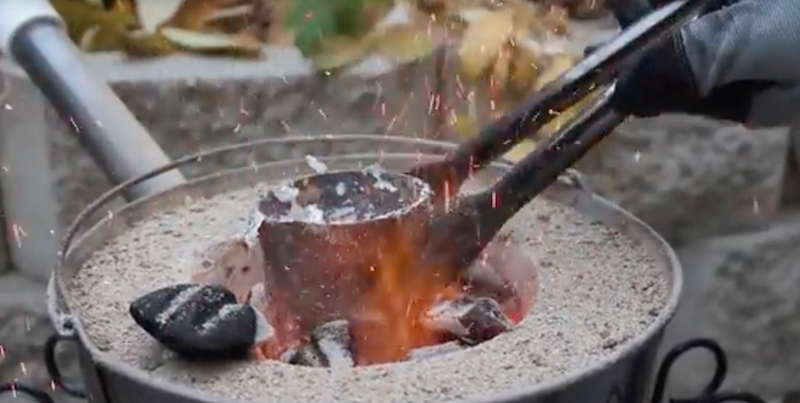
Although often linked with commercial applications, metal casting also locates its location in the domain of art, where knowledgeable artisans change molten steel right into meaningful sculptures and elaborate styles. This artistic side of steel casting incorporates varied methods, consisting of sand casting, lost-wax casting, and more info financial investment casting, each offering special opportunities for imagination. Musicians utilize these techniques to create jobs that range from abstract kinds to lifelike depictions, enabling individual expression and discourse on modern concerns.
Regularly Asked Concerns
What Precaution Are Crucial in a Metal Casting Foundry?
Essential safety actions in a metal casting foundry include personal safety tools, proper ventilation, emergency situation protocols, training in dealing with liquified metals, normal devices maintenance, and clear interaction of hazards to ensure worker safety and health. Metal Casting.
How Do Ecological Rules Effect Metal Casting Processes?
Environmental policies significantly influence metal casting processes by mandating the usage of cleaner modern technologies, minimizing emissions, and advertising waste administration methods. Compliance typically needs investments in tools, training, and modifications to existing procedures to lessen ecological effect.
What Are the Usual Issues in Metal Spreadings?
Typical issues in metal castings include porosity, shrinking, additions, and misruns. These problems can occur from inappropriate mold design, insufficient temperature level control, or contamination, eventually affecting the architectural stability and overall quality of the end product.
How Is Waste Managed During Metal Casting Production?
Waste monitoring in steel casting production involves reusing scrap metal, implementing reliable material usage, and making use of innovative technologies to decrease waste. Foundries embrace methods like sand recovery and correct disposal methods to reduce environmental influence.
What Career Opportunities Exist in the Metal Casting Market?
The metal casting industry provides varied job opportunities, consisting of duties such as shop supervisor, metallurgical designer, high quality control examiner, pattern maker, and manufacturing manager, accommodating various capability and know-how in producing processes.
Metal casting, a critical procedure in manufacturing, involves pouring liquified steel into a mold to attain a desired form. In addition, pass away casting is made use of for high-volume production, where molten metal is injected into reusable metal mold and mildews. While diverse markets significantly depend on metal casting, the strategy's versatility plays an essential duty in conference details application requirements. Frequently associated with commercial applications, metal casting also discovers its location in the domain of art, where competent artisans transform liquified steel right into intricate designs and expressive sculptures. Waste management in steel casting manufacturing includes recycling scrap metal, carrying out effective product use, and making use of advanced innovations to decrease waste.